Black Widow Spider
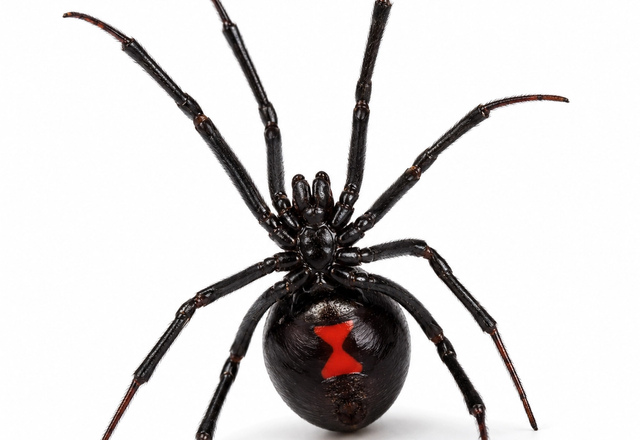
Black widows are glossy black spiders known for the red hourglass marking on the underside of the abdomen. They prefer dark, protected areas such as garages, sheds, crawlspaces, window wells, and storage areas.
Search by pest name or filter by category. Every pest covered under our standard plan includes IPM-based treatment and warranty-backed service.
No pests match that search. Try another term or. send us a photo..

Black widows are glossy black spiders known for the red hourglass marking on the underside of the abdomen. They prefer dark, protected areas such as garages, sheds, crawlspaces, window wells, and storage areas.

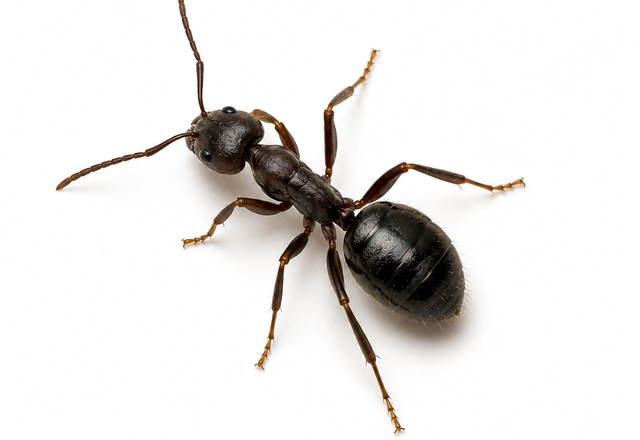
Ants are one of the most common pests in Colorado homes and businesses. They often enter looking for food, water, or shelter and can quickly build trails around kitchens, bathrooms, garages, and foundations.

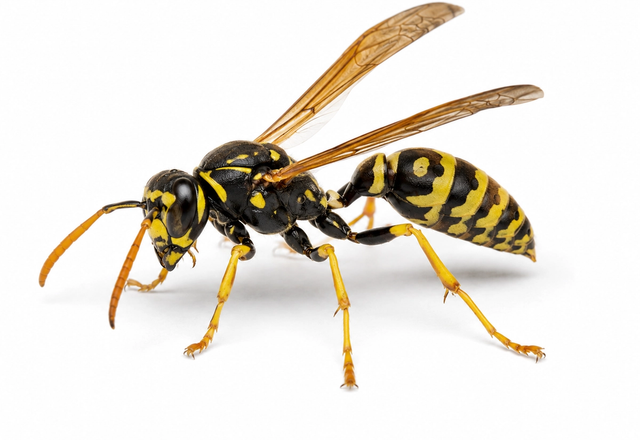
Wasps are stinging insects that can become aggressive when nests are disturbed. They commonly build nests around eaves, soffits, decks, sheds, fences, trees, and wall voids.

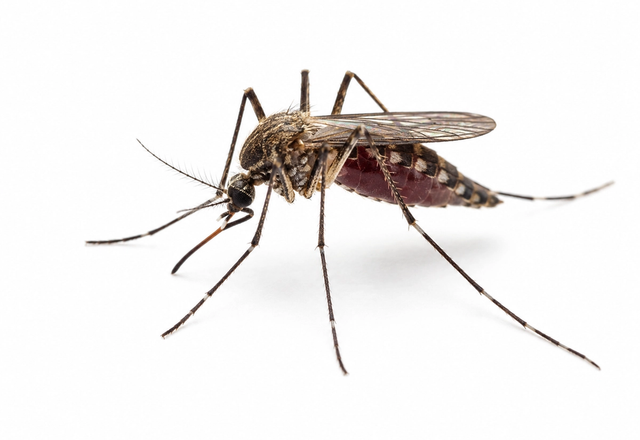
Mosquitoes are flying pests that breed in standing water and rest in shaded, humid areas. They are most active during warm months and can make patios, yards, and outdoor spaces uncomfortable.

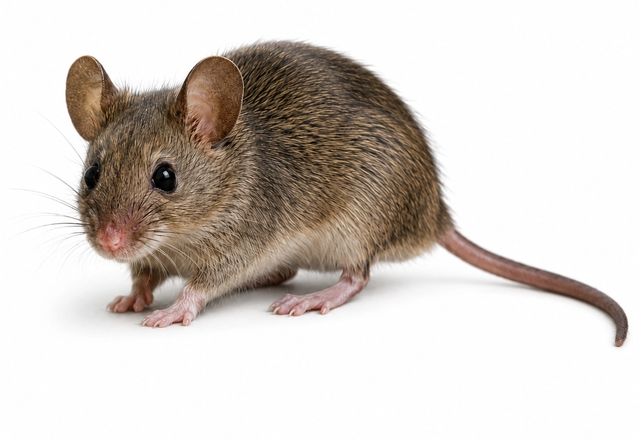
Mice are common rodents that can enter homes through very small openings. They often nest in garages, basements, crawlspaces, attics, kitchens, and wall voids while searching for food, warmth, and shelter.

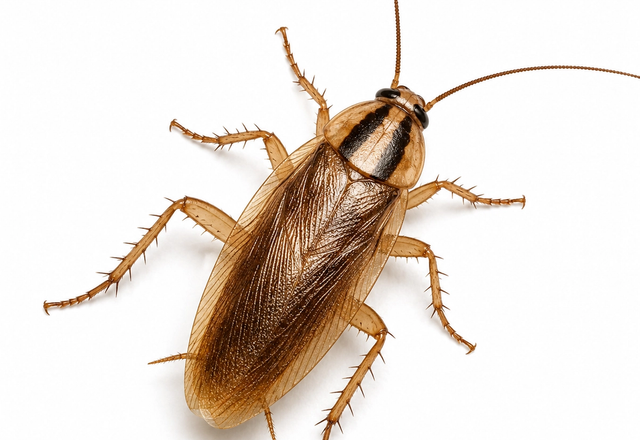
German cockroaches are one of the most difficult indoor pests to control. They reproduce quickly and are commonly found in kitchens, bathrooms, apartments, restaurants, and other areas with food, warmth, and moisture.

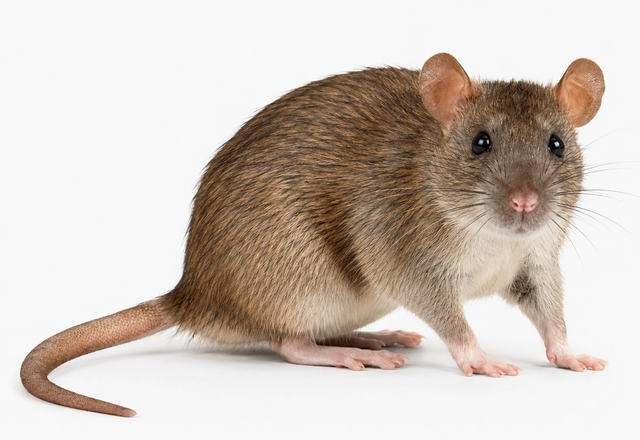
Rats are larger rodents that can cause damage, contaminate areas, and create serious nuisance issues around homes and businesses. They are often found near trash areas, crawlspaces, garages, sheds, and exterior burrows.

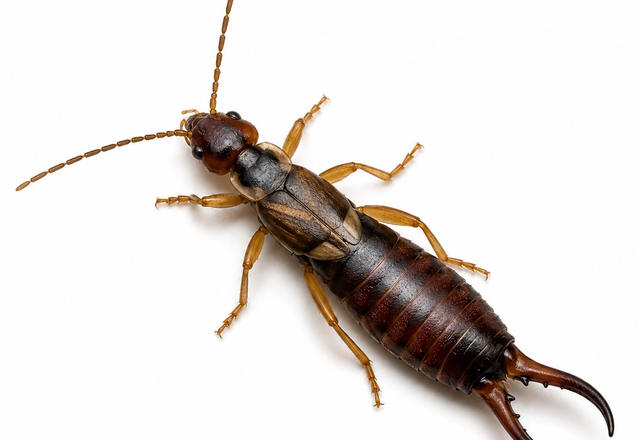
Earwigs are moisture-loving insects with noticeable pincers on the back of the body. They are often found in mulch, flower beds, basements, bathrooms, garages, and damp exterior areas.

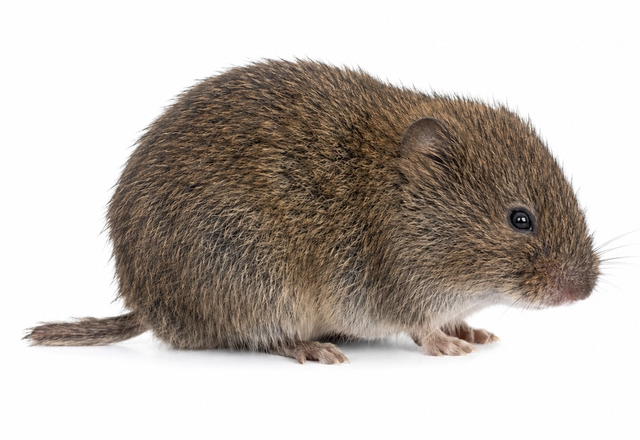
Voles are small rodents that live outdoors and create surface runways through lawns, mulch beds, and landscaped areas. They can damage grass, plants, roots, shrubs, and young trees.

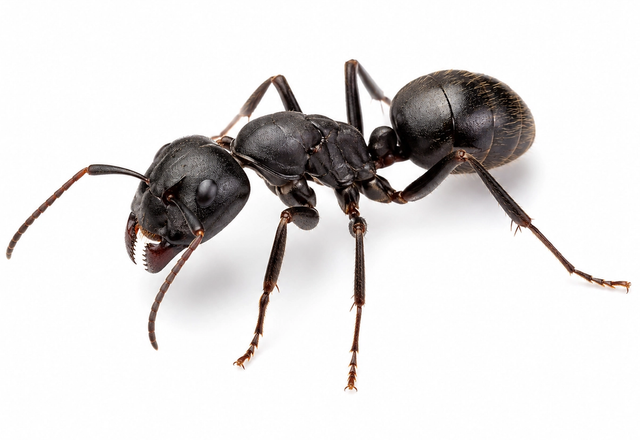
Carpenter ants are larger ants that can tunnel through damaged or moisture-softened wood. While they do not eat wood like termites, their nesting activity can still become a serious structural concern if left untreated.

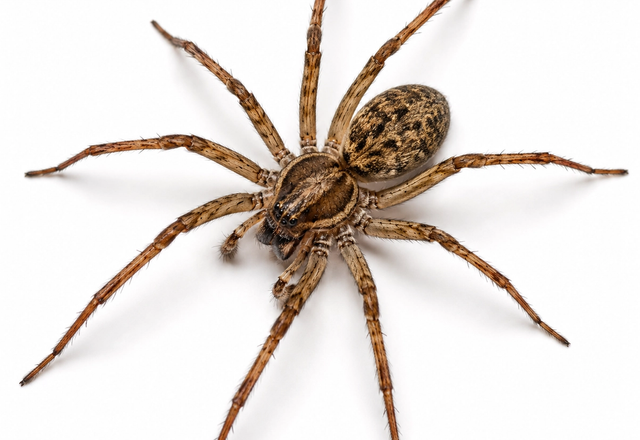
Spiders are common around Colorado homes, especially in basements, garages, crawlspaces, window wells, sheds, and exterior corners. Most spiders are beneficial outdoors, but indoor activity and heavy webbing can become frustrating.

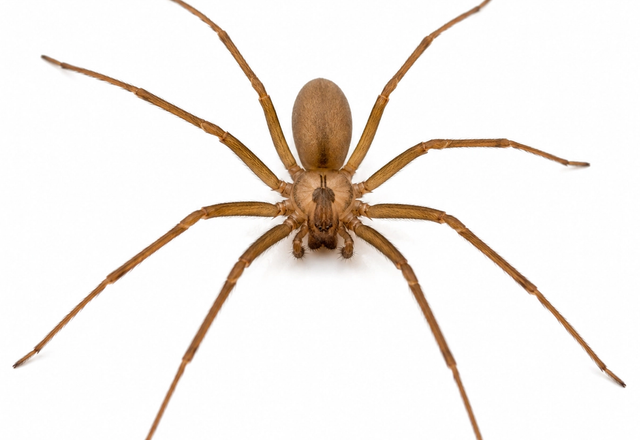
Brown recluse spiders are often blamed for spider concerns, but they are commonly misidentified and are not considered a common established pest in most of Colorado. They are known for their tan color and violin-shaped marking.

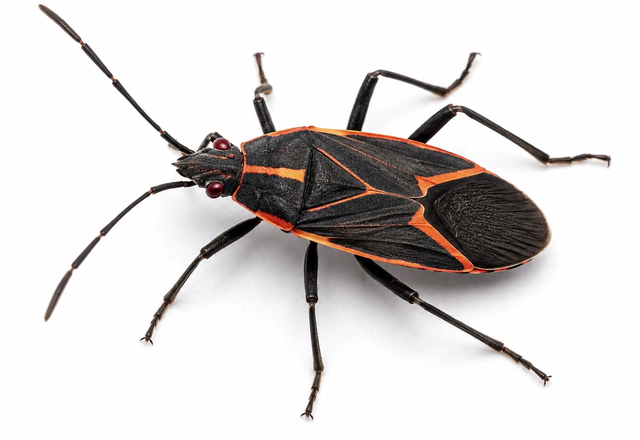
Boxelder bugs are black and orange insects that gather on sunny exterior walls and may enter homes in large numbers during fall. They are mostly a nuisance pest but can be frustrating indoors.

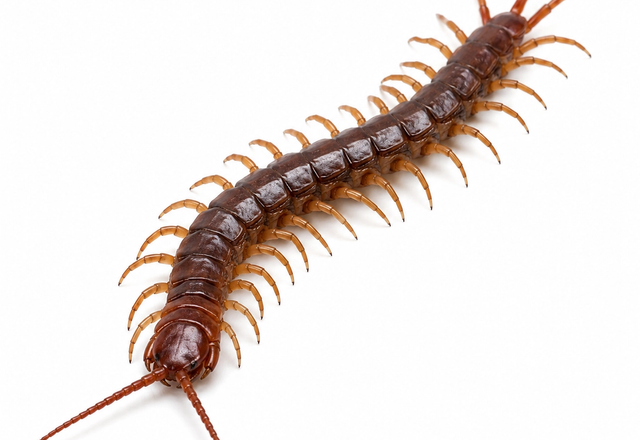
Centipedes are fast-moving predators that feed on other small insects. They are commonly found in basements, bathrooms, crawlspaces, garages, and other damp areas.

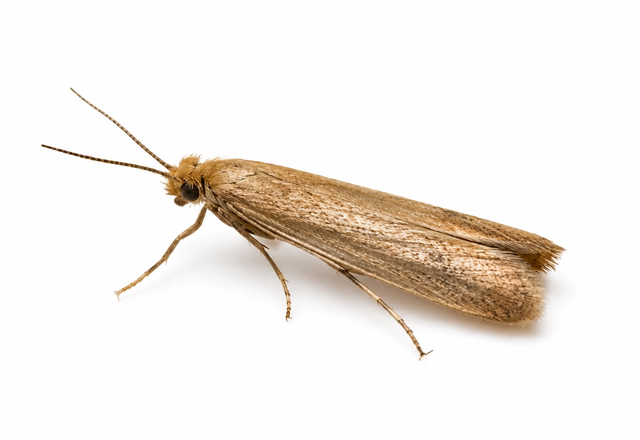
Clothing moths are small tan moths whose larvae feed on natural fibers such as wool, silk, fur, feathers, and stored fabrics. They prefer dark, undisturbed closets and storage areas.

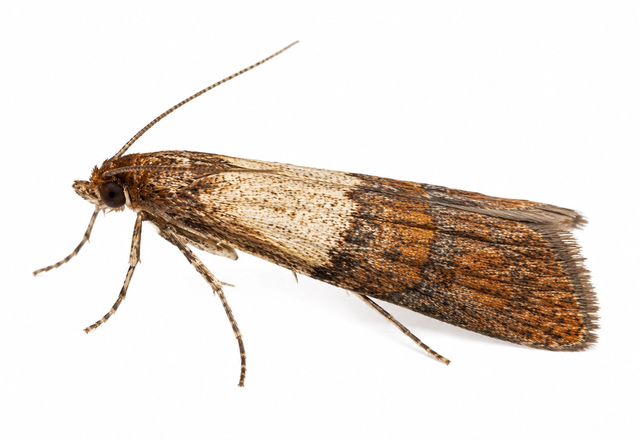
Pantry moths, often called Indian meal moths, infest stored foods such as flour, cereal, grains, nuts, birdseed, pet food, and dried goods. Adults are often seen flying around kitchens or pantries.

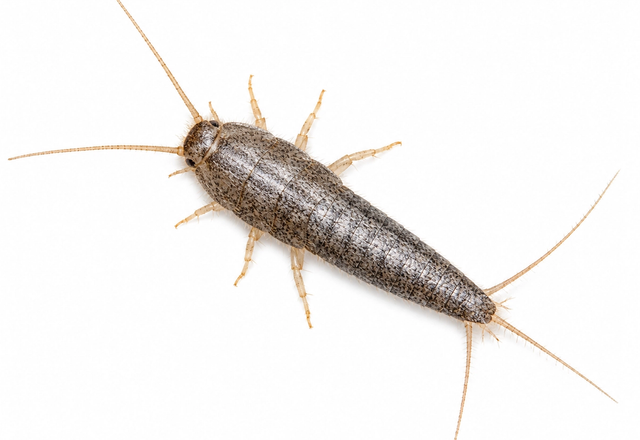
Silverfish are small, fast-moving insects with silver-gray bodies and long tail-like appendages. They prefer dark, humid areas and may damage paper, cardboard, books, wallpaper, and stored materials.

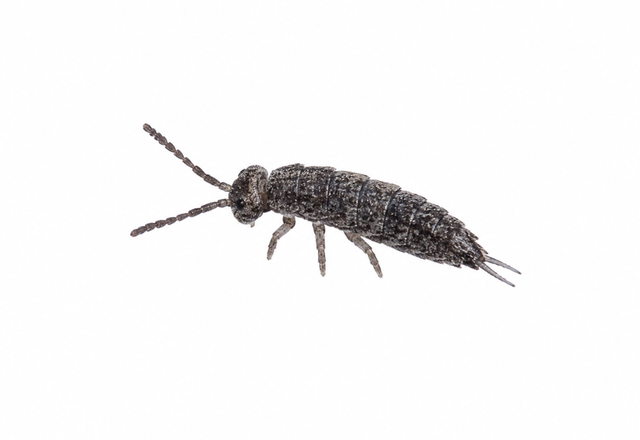
Springtails are tiny moisture-loving insects that often appear around windows, bathrooms, basements, sinks, and damp exterior areas. They are usually a sign of excess moisture.

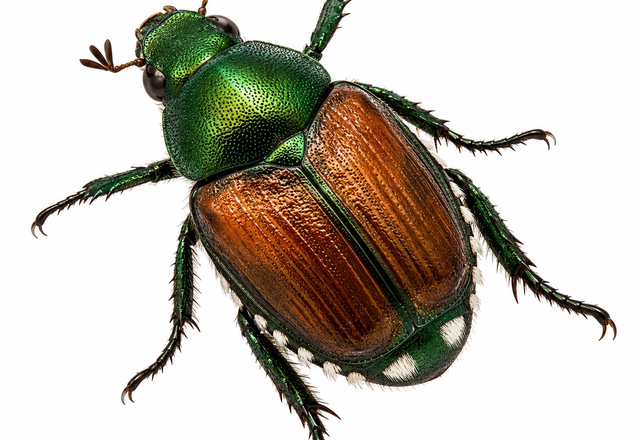
Japanese beetles are metallic green and copper-colored beetles that feed on many ornamental plants, flowers, trees, and shrubs. Their feeding can leave leaves skeletonized and damaged.

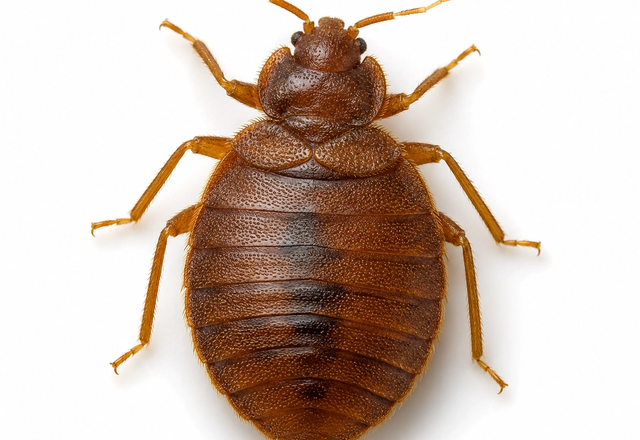
Bed bugs are small, flat insects that feed on blood and hide in mattresses, bed frames, furniture, baseboards, and cracks near sleeping areas. They can spread through travel, shared housing, used furniture, and personal belongings.

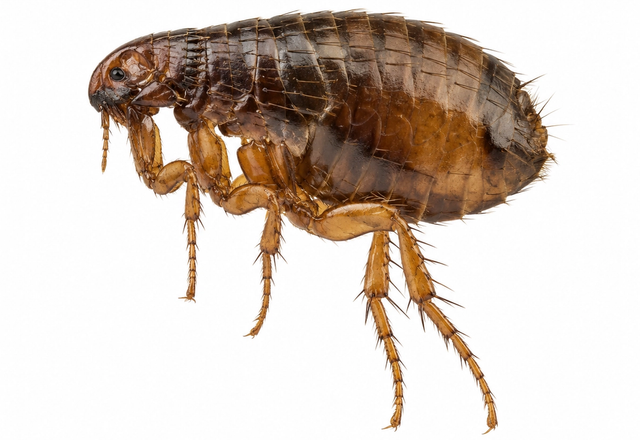
Fleas are small jumping insects that feed on animals and people. They often become a problem when pets, wildlife, or rodents bring them into yards, homes, carpets, furniture, and bedding areas.

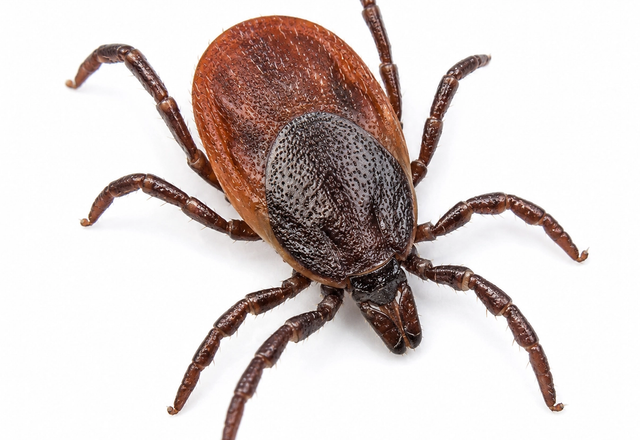
Ticks are blood-feeding pests commonly found in tall grass, brush, wooded edges, and areas where wildlife or pets travel. They can attach to people and animals after contact with infested vegetation.

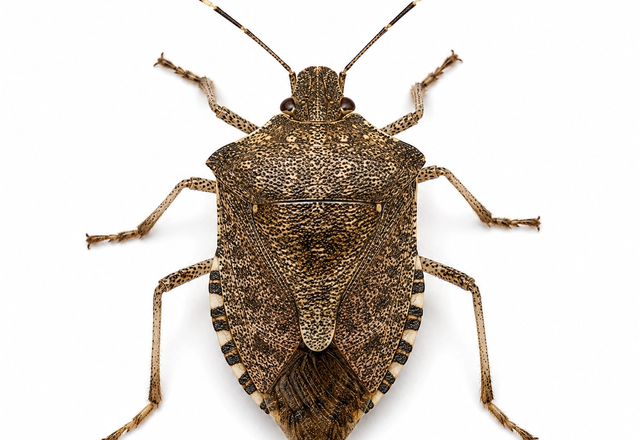
Stink bugs are shield-shaped insects that often gather on sunny exterior walls and enter homes during cooler months. They are nuisance pests and release an unpleasant odor when crushed or disturbed.

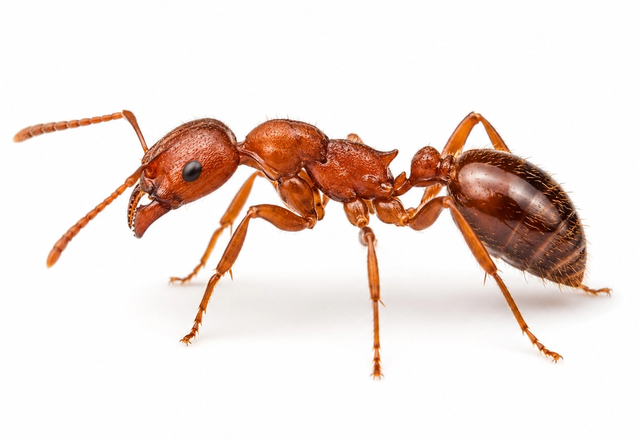
Fire ants are aggressive ants known for painful stings and mound-building activity. They can become a problem in lawns, landscaped areas, playgrounds, and other outdoor spaces where people or pets spend time.

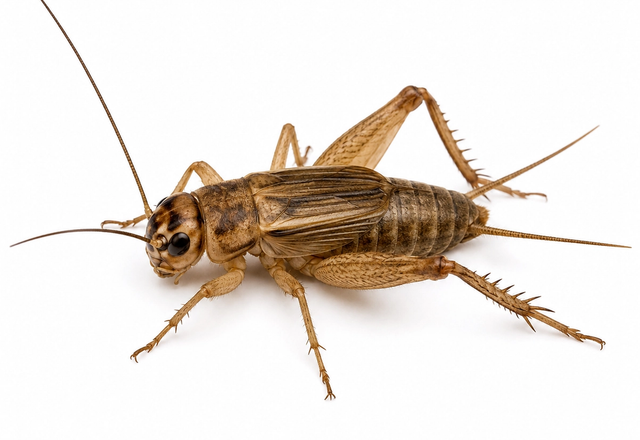
House crickets are tan to brown insects known for their loud chirping. They often enter homes, garages, basements, and commercial buildings while looking for warmth, food, and shelter.

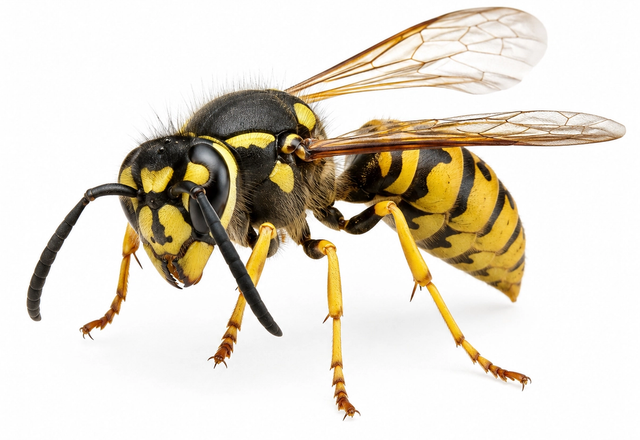
Yellow jackets are aggressive wasps that often nest underground, in wall voids, or in hidden structural areas. They are especially active around food, trash, patios, and outdoor gatherings.

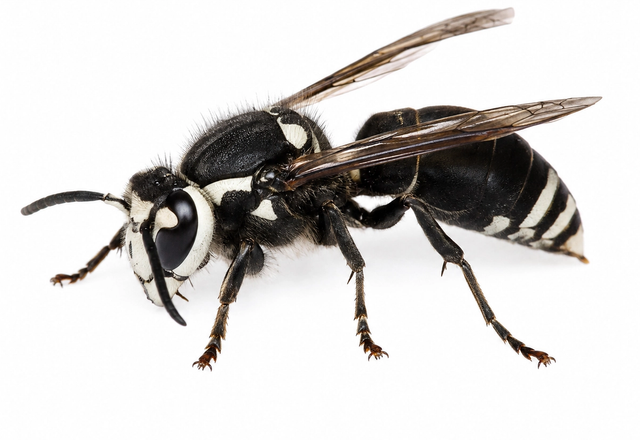
Bald-faced hornets are large black-and-white stinging insects that build gray paper nests in trees, shrubs, under eaves, and on structures. They can be very defensive near the nest.

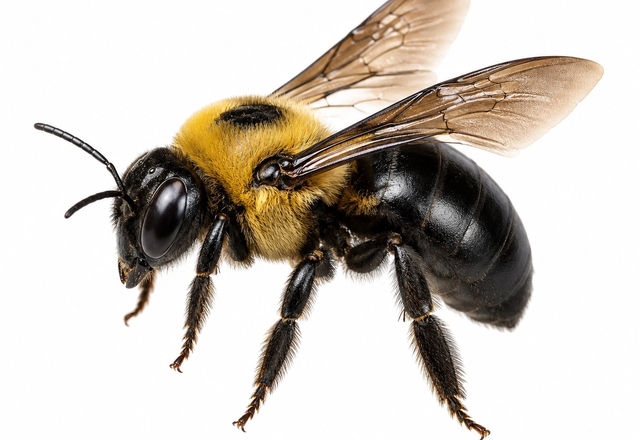
Carpenter bees are large bees that bore round holes into wood to create nesting tunnels. They commonly target fascia boards, decks, fences, pergolas, siding, and unfinished or weathered wood.

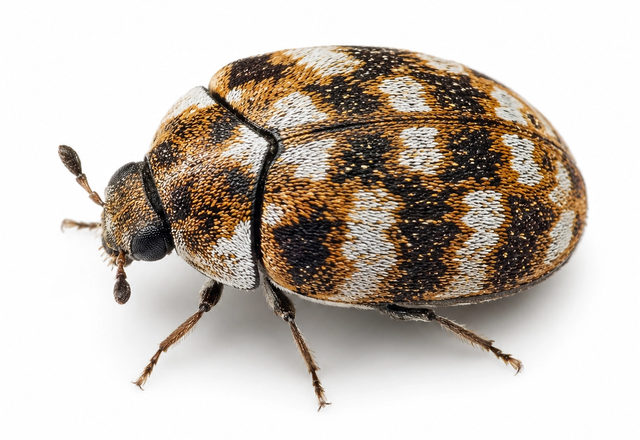
Carpet beetles are small, rounded beetles whose larvae can damage fabrics, wool, fur, feathers, rugs, stored items, and natural materials. Adults are often seen near windows while larvae hide in quiet areas.

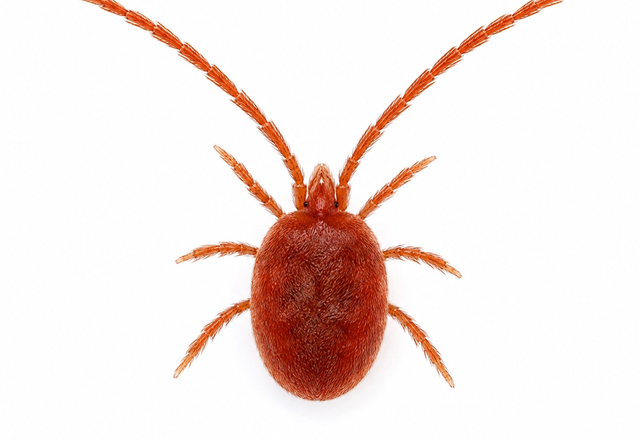
Clover mites are tiny reddish mites that often appear around windows, siding, patios, and sunny exterior walls. They do not damage people or pets, but they can stain surfaces when crushed.

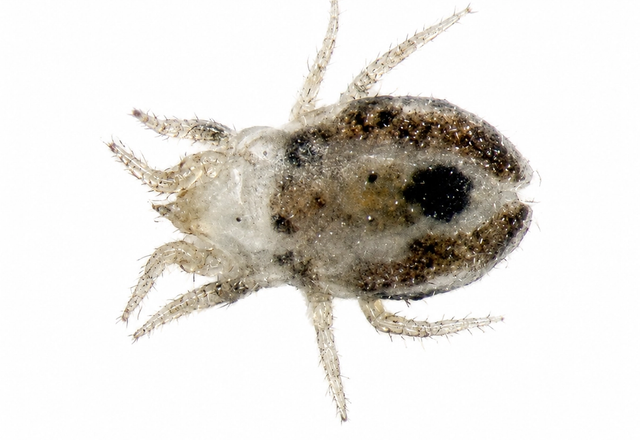
Bird mites are tiny mite pests associated with bird nests. They may enter homes when birds nest in vents, eaves, attics, or exterior openings and then leave the nest looking for a new host.

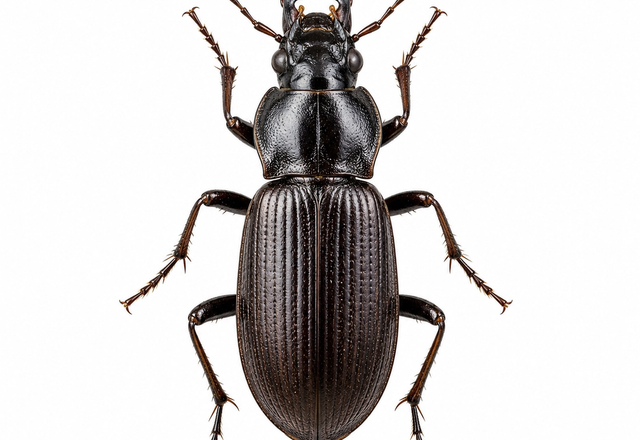
Ground beetles are dark, fast-moving beetles often found around foundations, garages, basements, patios, and landscape beds. They usually enter by accident while searching for prey or shelter.

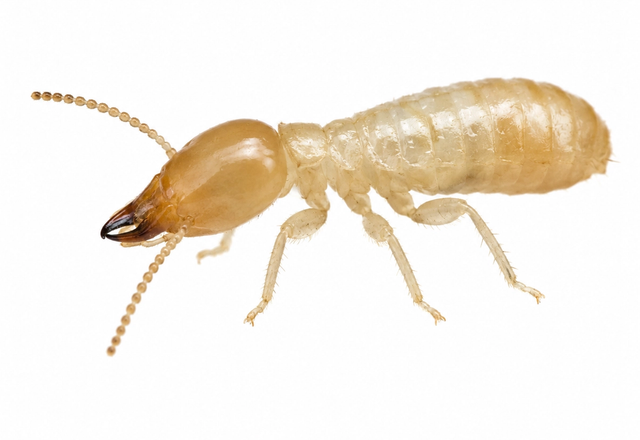
Subterranean termites live in the soil and build mud tubes to reach wood and other cellulose materials. They can damage structural wood and often remain hidden until activity becomes more advanced.

Stored product pests include beetles, weevils, and moths that infest dry food products. They are commonly found in pantries, kitchens, warehouses, restaurants, grocery storage areas, and commercial food spaces.

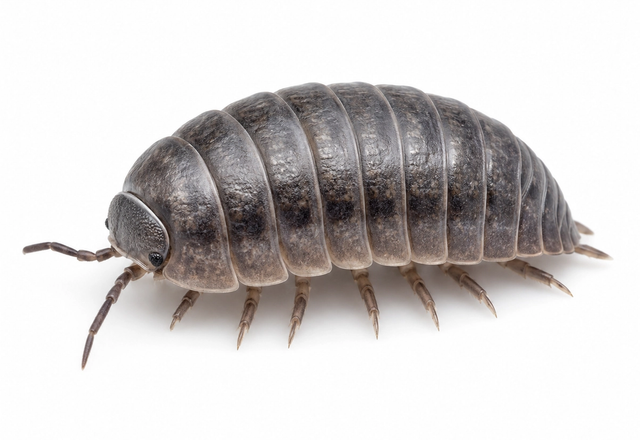
Pill bugs are small gray crustaceans that roll into a ball when disturbed. They are commonly found in damp mulch, soil, basements, crawlspaces, garages, and around foundations.
It depends on the pest. One spider or occasional invader may not mean you have a major issue, but one ant, roach, mouse, wasp nest, or bed bug sign can point to a bigger problem. We can inspect and let you know whether treatment makes sense.
Yes. Many Colorado pest issues continue through winter, especially mice, spiders, cockroaches, pantry pests, and insects hiding indoors. Winter service also helps reduce pest pressure before spring activity increases.
Yes, when applied properly according to the label. We use targeted treatments, avoid unnecessary spraying, and focus on cracks, crevices, entry points, and pest activity areas instead of blanket-treating your home.
For exterior treatments, no. For interior service, most customers do not need to leave unless the product label or treatment area requires it. We’ll explain anything you need to do before we begin.
Most common pest issues improve within 7–14 days after service. Some pests, like German roaches, ants, rodents, or heavy infestations, may take longer and require follow-up treatments, monitoring, or exclusion work.
We do not currently offer termite treatments. If we find signs of termites during an inspection, we’ll let you know what we found and recommend the next best step.
Send a photo. We'll ID it and tell you if it's worth treating.
Send a Photo Call 720-967-BUGS